Some thoughts along the drive.
Yellow Lines and Tire Marks
Chapter 123: Yellow Lines and Tire Marks
On my drive back, I pulled out the audiobooks again and decided to get to finishing them. I had 3 books saved on my phone. I read “21 Lessons for the 21st Century” by Yuval Noah Harari, “The Tipping Point” by Malcom Gladwell and “12 Rules for Life” By Jordan Peterson. The books were long but since I was well caffeinated and had little else to focus on on the COVID roads back to Canada, I listened to both the books at increasingly faster speeds until I must have hit around 3x speed. Even then, I rarely missed any points and barely had to backtrack. I was very focused.
At this point in my life, I was no stranger to non fiction books. I have read quite a lot since my first failure in academia. Non fiction always required focused understanding but rewarded me with the prospect of learning a new idea or outlook on life. Overall, they are very calming to me. Even more calming for the book if the focus was on philosophy or self help. With every book, I feel like I learned another avenue of thought. With each new insight, I hoped that I could overcome some of the toxic emotions I garnered about my family and myself.
In truth, from all the reading of books and audiobooks, I was looking for a solution to fix myself. Even during the drive home, a time when I have arguably passed the hardest hurdles before my career starts off completely, I still felt like I was broken. If I knew what I knew now, I would have recommended my younger self to look more into Nietsche and the Meditations by Marcus Aurelius. I think my younger self would have appreciated those works more.
Instead, popular psychology books of the 21st century taught me more about resilience and normalized behaviour of self doubt. In some ways it was an offshoot of some of the concepts in Nietzche’s books, like the bad conscience, but it was very…shall we say 21st century? Unfortunately, I only got very small glimpses of Stoicism (Capital S and the main concepts from the Marcus Aurelius Meditations) from the books I read. Honestly, I think I would have appreciated this perspective back then.
New age books for self help, or at least the ones I’ve read, usually, at some point would address the connections we have with other people and try to rationalize them. I never really looked too much into psychology and only took a few university courses about it in the past with semi-reservations on it all, but classifying certain connections to other people is somewhat helpful. Giving something a name makes it more tangible and understanding is one key point in acceptance. While this is not a direct link with Stoic philosophy, it was aligned with their way of thinking (or at least that was my interpretation). This was one of the benefits I would’ve like to impart on my younger self.
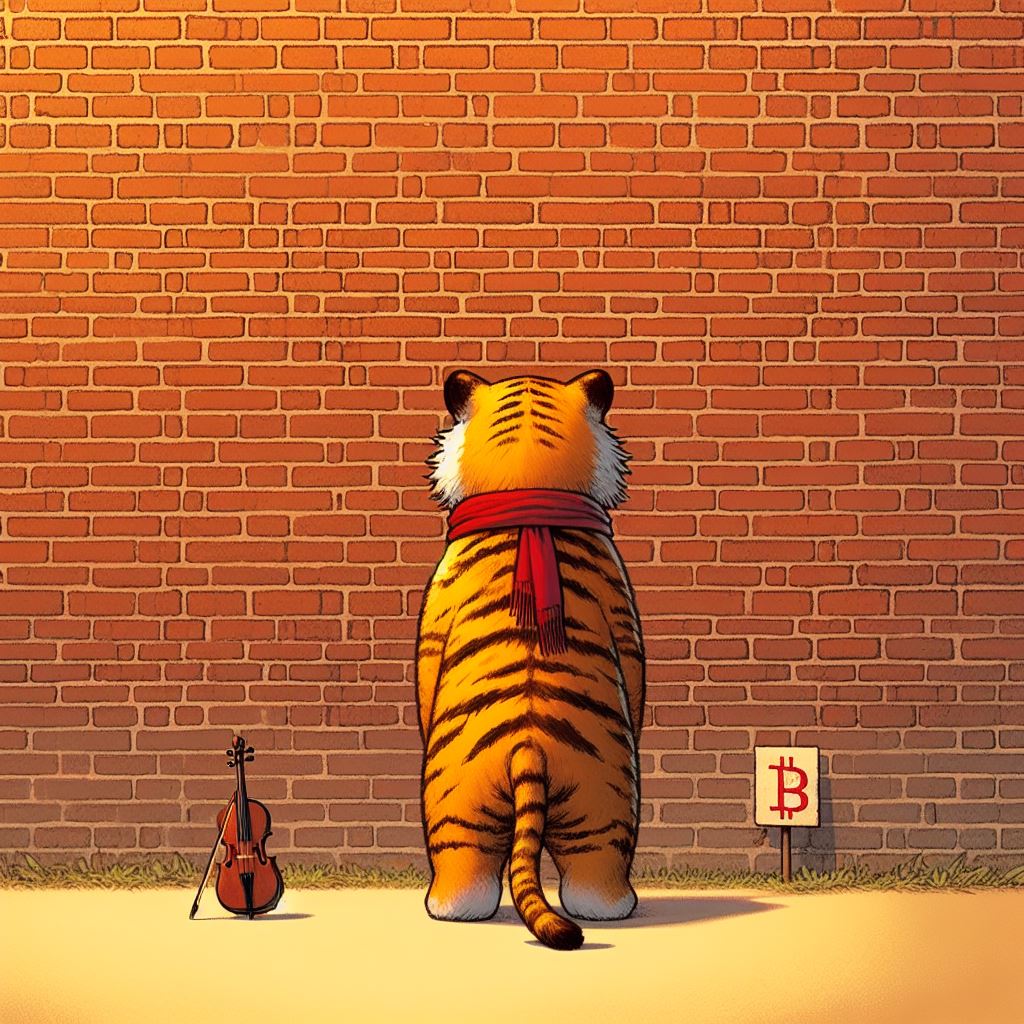
For the Asian Tiger Parent model of raising children, the main thing here was the idea that the ends justify the means. That is to say, as long as the results were working out, the system was working out. But you can easily see how superficial this connection is and how, for the lack of a better word, fragile it is. When Asian parents are happy, the family is happy. When things got tough though? Oh boy.
This is, from my reading of books at that time, a clear case of a fragile connection. I felt like I needed an antifragile connection. These are connections that get stronger when things get worse. They are also something I don’t think I had with any adult. For most of my life, the guardians and family I had always wanted something from me. It was only when I gave them that did they accept me. Everything felt conditional and transactional. Because of this, there wasn’t a particularly strong connection I had with anyone blood related. As much as the Asian generational home has been glorified as a family unit, it isn’t always that. Sometimes, it’s more like a business venture and the parents, the bosses.
Do you ever tell your bosses about how sh*tty your life is? If you do, you must have a chill boss. My mom wasn’t very chill. She was more like a corporate boss with all the double standards you’d expect. If you complain too much, you’d get fired. When they complain a lot, you have a tag along. She made all the decisions in the company and then you had to carry it out. On some level, I feel like I should just accept this as is and play along, I mean, afterall, she is family. However, even now, somehow I remain really intolerant of this structure even after reading countless books to try and understand it. I guess you’d call it a never ending rebellious stage.
In fact, it seems like a never ending story. It seems like even knowing these facts don’t really change anything. On the generational ladder looking downwards, Asians demand so much from their kids. The parents demand success from the kids and then, when the kids grow up to be successful, demand to be thanked for the entire process. Knowing this doesn’t help. Being conscious but still a cog in the wheel of culture is still the same as a prison sentence.
I have learned a lot more from books since then. I suppose when things go from bad to worse you learn to cope with some things better. With what I know now, I may have been able to help the younger version of me driving home from North Carolina with everything going right in the world and yet still feeling like something was wrong.
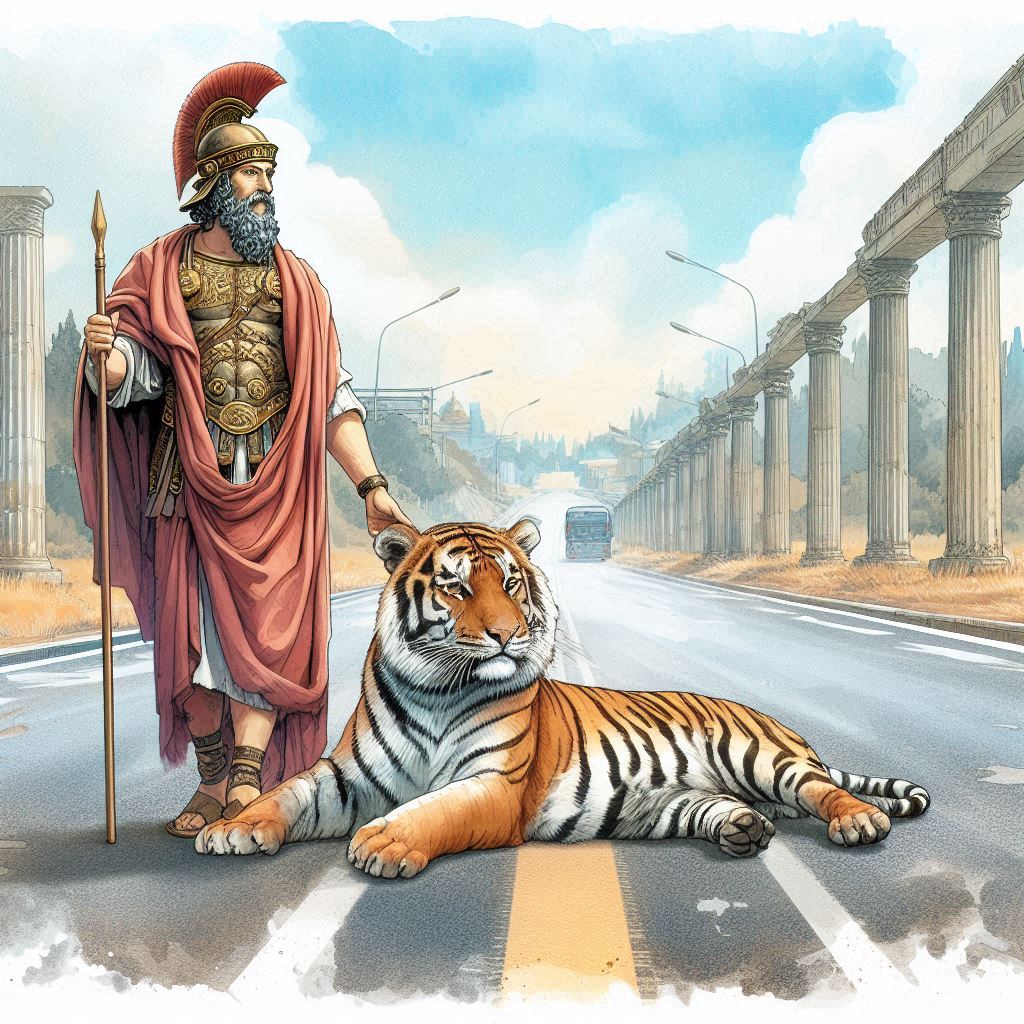
I would have told him about the Master and Slave morality as Nietzche wrote about it. Master and slave morality is mentioned in a few books but the one that introduced me to it was on the Genealogy of Morality. You can google what Master and Slave morality is if you want more information but I came to understand it is as such. Those who are in power will think more about nobility and strength and those who are not in power will think more about a sense of community and also have a strong resentment towards those in power. Sound familiar? Nietzche does not say which of these moralities are good and which are bad but you can see how both can be unhealthy when taken to the extremes.
I definitely had the slave morality, I resented my mom for so many things it seems trivial to try and jot all of that down. Hell, this is probably the theme for this entire book too if you read more into it. My mom, on the other hand, definitely had traits that she wanted to express which some would call strength. She was a tough parent and didn’t really garner familial support. She was a poster child for feminism, a single independent immigrant mother who raised a kid properly despite having to work so much. That’s amazing! But no one really talks about what it costs to get there.
As I got pushed by my mom and CC to do better in school and music, I resented them for it. At the same time, as I got more accomplishments, they were seen as more and more powerful by garnering a reputation as being a tough person who yields results. Their image got stronger and I got more resentful of that strength. Yet the entire time, no one ever really tried to break the cycle nor work towards abolishing these problems.
Now, this way of seeing things is just one interpretation and honestly, I’m sure I’m stretching the analogy a bit. However, thinking more about how this is all very human may have eased my mind. Being a kid, when you don’t have the ability to really fight back against your parents and they act essentially like prison wardens, it could lead to a bad conscience (another concept by Nietzche). It is very easy to see how that may lead to all my frustration becoming internalized. Having my behaviour normalized by popular psychology is one thing, hearing about why certain thoughts and emotions came to be may have also helped me with it all.
I often wonder if internalizing problems is more common in Asians specifically because of the way our culture is set up generationally. But hey, not like we can change much even if we got proof. Not really a huge point in overthinking this. Furthermore, philosophy is not psychology and neither really gives a clear answer to happiness and the ability to just ignore and live with your toxic emotions. In truth, I feel like if I did continue with the shrink, I may have ended up more likely talking about how parents have different love languages than us than talking about philosophical theories on how to be happy.
As a matter of fact, this was actually one line that was said to me. “Asian parents verbally abuse, or even physically abuse, the kids for their own good and that is their love language.”
I mean…
Sure? I guess. But the thing is, that argument may be lost in translation. Between immigration and even between generational changes of lifestyles, there’s bound to be some language barriers in place. My two cents on this is that this type of difference is, very fittingly, as apparent as the language barrier between Mandarin and English.
Subscribe
Sign up to hear updates
 Memoirs of a tiger cub
Leave a comment