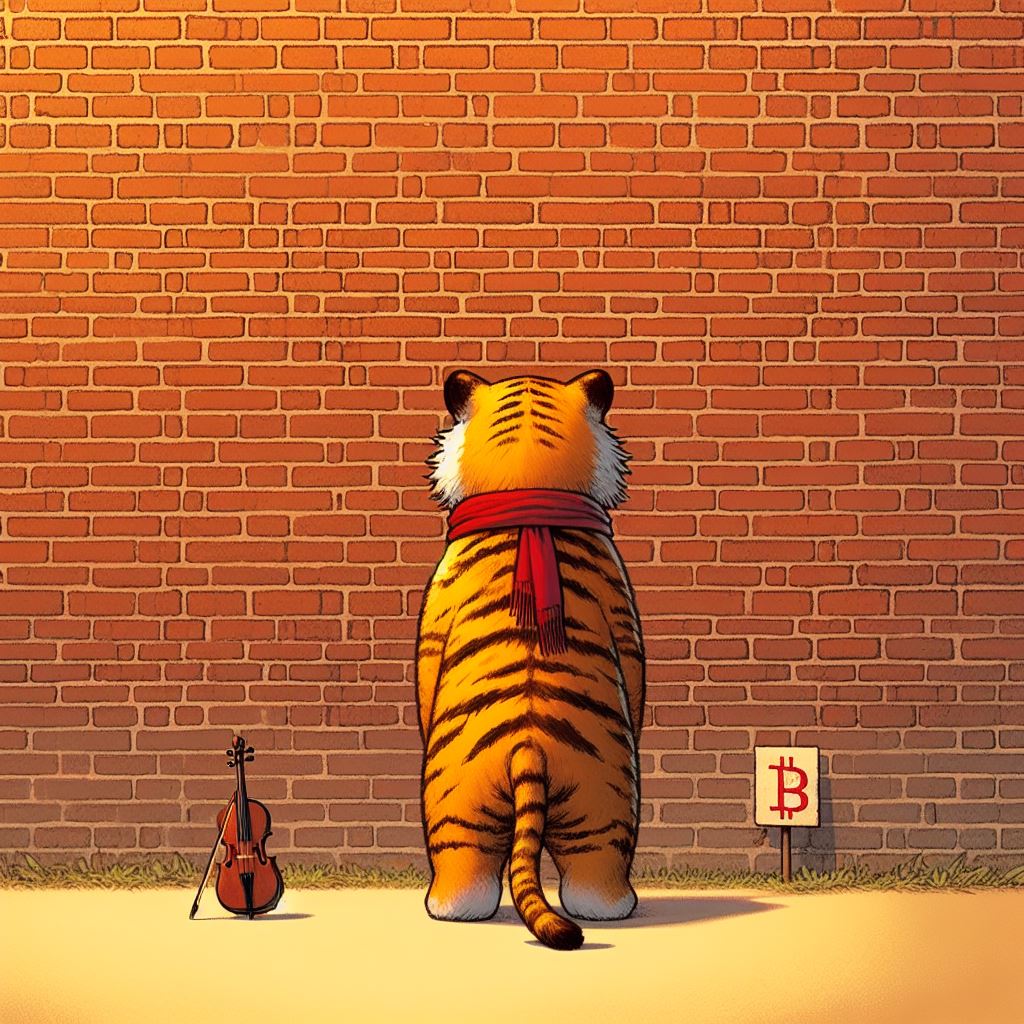

What music is really suppose to be about
Music Camp
Chapter 10: Music Camp
I think at this point you have a pretty decent picture of how my life in high school was. But to truly understand what my mind was thinking about during high school you’ll have to dig back into music. The cello was intertwined into my soul, remember? As I mentioned previously also, my own journey paralleled that of my relationship with the cello.
The cello and I went through a transformative phase in high school. As I mentioned, I couldn’t really compete with X and her increasingly outstanding cello portfolio. I figured I would try and apply myself to music in other ways. I joined my school choir and did as many music clubs as I could find time for. Though my free time schedule was clouded with lifeguarding, breakdancing and studying, I would still always try to increase my footprint into the music scene wherever I could. This was more stressful but that’s okay. I was used to not coming home and staying out late. In fact, I had grown to even crave the sensation of filling out my entire schedule. What had started out as a habit to avoid not coming home to an empty condo has quickly evolved into an addiction to always doing something. This would be the reason why this portion of my life is so completely filled to the brim with events. This is the high school I endured. While it is tiring, I enjoyed every second of it. Though looking back, I would quickly come to realize this was all a sort of coping mechanism for something that was missing in my life.
The thing that was still bothering me the most during the week was the screaming by my cello teacher. Though that would become almost like a dull noise at this point, I wasn’t having fun with the entire situation still. I had gotten used to applying my filter to his screaming and extracting what was productive and what wasn’t but it was still exhausting. While I was getting better faster than ever at the cello, I was getting more and more sick of him.
I didn’t think much about my lessons with him during the week. I thought about practice, yes, but never about CC. Being in an orchestra, a choir and being generally involved with my public school’s music program meant I was liking music more and more. I started learning out of fun as opposed to out of fear of disappointing mom. Since I have now learnt how to like music, I started to have a genuine interest in it. My classical music journey was changing. We were about to change the drive from just one of fear to one of genuine will. Choir in particular had a large impact on me. I have joined orchestras before but even in that scenario, it felt like I was just a tool for the conductor. Choir, though under similar circumstances, felt different. You don’t get as close to the music as you do with choir, you are literally using your body to produce sound. It is visceral. It makes you feel whole and connected with the people around you. It’s almost a feeling of primal camaraderie.
Also, being in a choir wasn’t a competition and to be honest, music in general works best when you don’t think of it as a competition. This was the main lesson I learned in high school. Instead of thinking about music as a competition where it was not enough for you to succeed, others should fail, you should think of music with the mentality of a community where if we all do our best, we all succeed together. This is what it meant to be in a choir. We do all our parts and together we can make music. We can’t win unless it’s as a group. You adjusted yourself and then your section was adjusted as a whole by the conductor to optimize your sound. Your sound. Your group’s sound. Adapting yourself for the greater good was the name of the game. It seemed to be a page straight out of the communist manifesto given to me when I was in grade school back in China.
Okay, political humor aside, contributing to a group where everyone is doing their own part to elevate the whole, that was the message I got from music. The epitome of this message came to me during music camp. Being so involved with classical music meant that I was at least a bit known in the music department at school. My popularity was just enough to make it on the Music Council, a collection of music students that help the teachers with events that we did. The Music Council had a tradition of sending its members to music camp. The camp was known as OELC (Ontario Educational Learning Center). If you think this is anything like American Music Camp, you’re wrong. It was more like hanging out with some kids around your age at a summer camp for 2 weeks and just learning about leadership with some musical activities sprinkled in. So think less sexy and more wholesome. Since the music was really secondary, the takeaways were emphasizing what I mentioned just recently, a message on how to be a good member of your ensemble and how to be a good leader in a group. The group mentality was further reinforced with the activities we did. We would all team up and work on teambuilding exercises like running a simulated city, allocating roles for a musical ensemble, talking with each other about balancing our own strengths and weaknesses and so forth. It sounds cheesy now but when I was there, I felt the message of love and not hate. I was still feeling competitive here and there because I was secretly keeping track of everyone’s musical prowess but honestly, after the 4th or 5th day of just teambuilding, I was thinking of talent from my friends as inventory and not as rivalry. I didn’t feel threatened by anyone’s virtuosity anymore. I was starting to understand a side of music beyond the toxic stuff. It was a good time.
A quick tangent here but later on in life, I would go through a phase of watching a lot of cult documentaries on Netflix. It seemed there was always a theme of establishing a society in a forest or someplace to solidify your beliefs. On the third or fourth documentary, I began to see the parallels. Impressionable youth visits a camp in the middle of the woods where adults preach the ways a belief you can get behind? That sounds familiar! Anyhow, jokes aside, when not a cult, these experiences are a real positive force in your life. I know for myself that the few weeks I spent in a cabin with some other youths my age talking about music and our lives is a very time sensitive and unique experience. A coming of age experience that leaves you hopeful for the future. This was my Breakfast Club. After the trip, I was actually sad to leave the place behind. I had such a great time, and more importantly, I had forgotten what my household felt like. Soon I would have to face reality though, mom and my house and all. I think the fact that the music camp was so short was intentional, any longer and it may lose some of the magic it was encapsulating.
Back to the normal program and back in high school. No more camp talk, we were in the public school music department again now. I was now back on track and the next thing on the agenda was interval training. Some call this ear training. Essentially, you play 2 notes and then tell the difference between them by their relationship. I was now pretty glad I had picked up choir in high school.
Vocals and cello are very different. Most music teachers these days will tell you to consider singing your piece a bit. Singing gives you a very good feel for the piece if you know what you’re doing and it also helps you train your ear much more. Singing intervals also makes listening to them much easier to understand. I’m sure this is something about training your ears with your vocal muscles that just seems to click well. Another good skill singing helps with is sight reading. When you learn intervals with singing, sight reading music can sometimes not only be interpreted with your hands but also your vocal cords. You can kind of sight-feel music, if that makes sense at all…This is important because the reason I am training my ears is that my cello playing was about to be tested.
Sometime after the OELC experience, I had finished another beginner’s book from CC’s collection. He was now considering what to do next. It was then decided that the next step was to do a test with the Royal Conservatory of Music (RCM). This was an association that gave out tests that tested skill levels of musicians. The higher the grade, the more proficient you needed to be to pass. Everyone in the Chinese music community wanted to do this as it was a great way to see all your hard work being tested in a structure. More importantly, it gave the Chinese parents a tangible piece of paper to show off and brag about.
When mom and I first heard about this, we asked CC what his thoughts on this would be. He would tell me that I had no future in classical music and that I should just give it up. To that theme, he told me (and I quote):
“It was useless for me to consider RCM at all since it was going to be a let down for everyone.”
He said I should just learn for fun and that RCM testing was for those who were serious about music. You know? like X was. The only problem now was, I had finished all the books he had about casual music repertoire. All the music and singing I did in school was also starting to improve my ear, a key component of the RCM tests and another aid in improving music overall. I was ready for the RCM and he knew it. I was getting better too fast for CC to say I’m just a casual person now. It was time to get serious. No longer a casual, it was now time for me to go ranked.
Subscribe
Sign up to hear updates
 Memoirs of a tiger cub
Leave a comment